When “research” feels like “outlining” to a model
You ask for “research,” and the model often responds with something that looks like a neat outline: headings, bullet points, a confident sequence of ideas. That’s useful when you’re trying to organize a topic, but it can feel like the model is dodging the hard part—what’s true, what’s uncertain, and where each claim comes from.
In practice, the model treats many research prompts as a request to produce a plausible, well-structured explanation. It will fill gaps with typical examples, common timelines, and “sounds-right” details. The plausibility is cheaper than verification, and you only notice the difference when a specific date, quote, or number actually matters.
Training explains it: patterns in text, not a library
Think about how the model learned in the first place. It didn’t “read the internet” the way you do when you open sources, compare them, and keep track of where each fact came from. It was trained to predict likely next words from large amounts of text, which rewards producing patterns that often appear together: definitions followed by examples, pros paired with cons, timelines that sound familiar.
That training makes it excellent at compressing common explanations into clean structure, because structure is a visible pattern in writing. But “research” in a workplace sense requires something different: retrieving a specific claim, tied to a specific source, with the ability to say “I don’t know” when the source isn’t available. Without an explicit retrieval step, the model will often substitute the most typical version of a fact for the correct one—especially when the detail is rare, recent, or contested.
Outlining matches what models do best

You’ve probably seen this when you ask for “an outline for a report” and it comes back sharper than many human drafts: clear sections, sensible ordering, and a reassuring sense of completeness. That’s not an accident. Outlines are mostly about relationships between ideas—what tends to come first, what usually supports what, and which categories belong together. Those are exactly the kinds of patterns the model has seen millions of times in finished writing.
It can also hold a stable frame while generating variations: three angles for a marketing plan, five risks for a launch, a neutral “pros/cons/recommendation” layout for a decision memo. The outline can look authoritative even when it’s built from generic templates rather than your situation. If your context is unusual, or the decision hinges on a specific constraint, you may need to supply that structure yourself—or ask for multiple outline options and choose deliberately.
Research asks for provenance, not plausibility
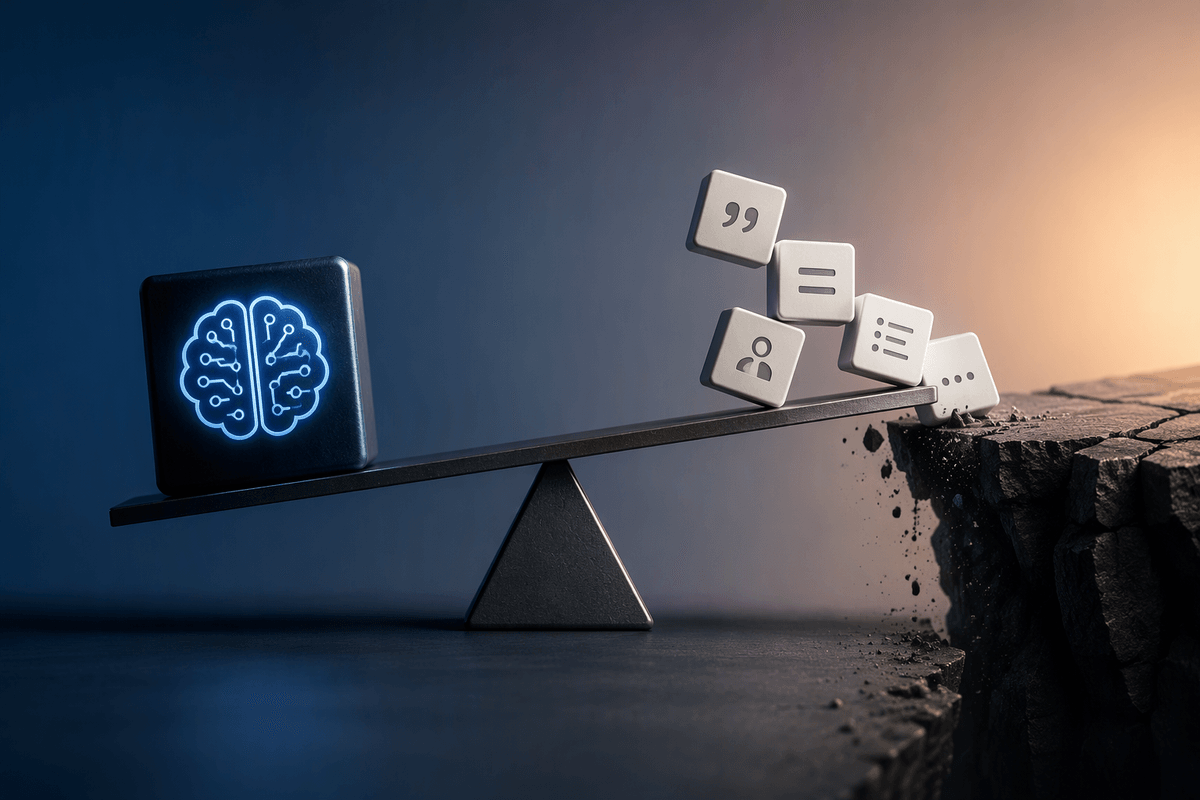
The difference between writing assistance and research lies in what makes an answer trustworthy. An outline only needs claims that fit the argument and hold together logically. Research demands more: where each claim originated, when the information appeared, what the source actually states, and whether it remains valid. A broad statement may sound reasonable, but that alone does not establish its accuracy. Stronger support comes from checking the original evidence, comparing independent sources, and accounting for later changes, such as a revised policy or new legal ruling.
This gap explains why AI-generated background sections can be frustrating. Market sizes, case law, and industry practices may appear in a polished summary within minutes, yet the writing often gives little indication of how the claims were established. Adding a request for citations helps, but it does not settle the issue. Fabricated references and misleading source summaries may look convincing without supporting the statements they accompany. Verification requires more than a list of citations: each source must be read in context and checked against the specific claim it is supposed to support.
That process takes time. Relevant documents may be paywalled, unclear, outdated, or unavailable to the public, leaving some questions unresolved. Good research makes those gaps visible rather than filling them with confident guesses. The final account should distinguish verified findings from uncertain details and explain where the available evidence stops.
Where hallucinations come from in ‘research mode’
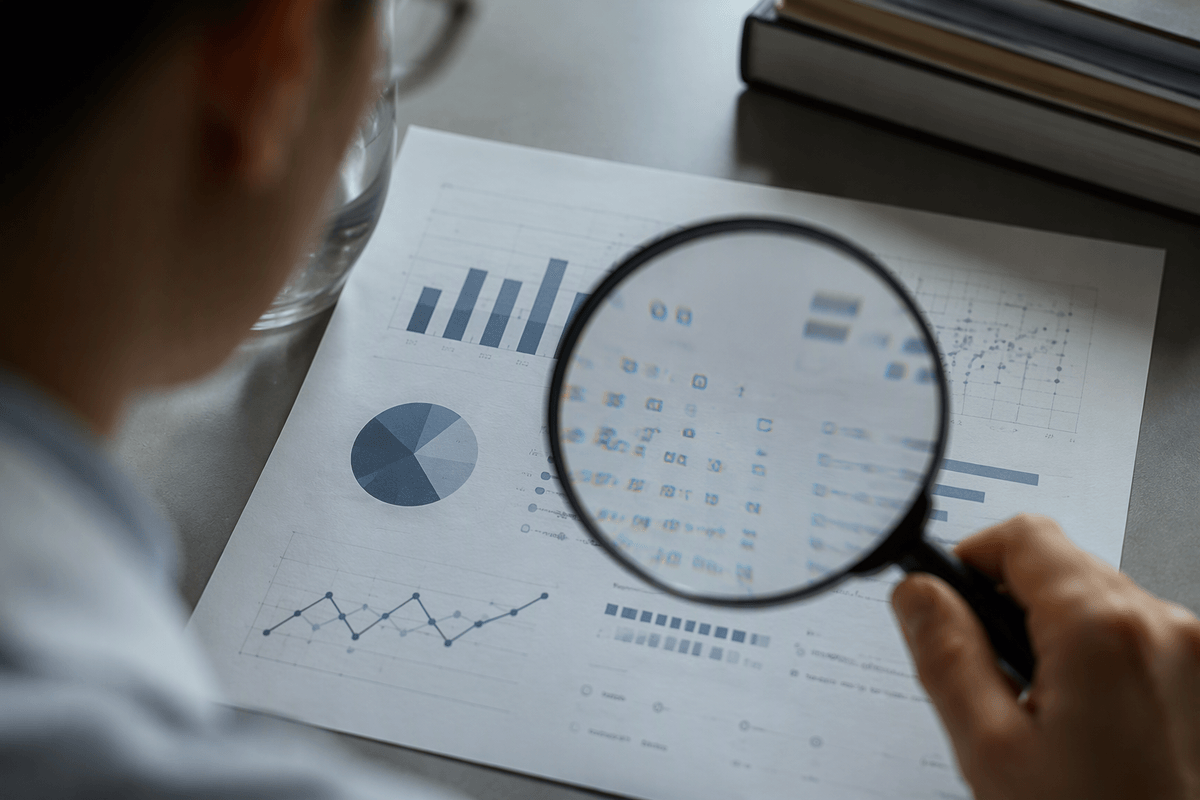
You see hallucinations most often when you ask for “specifics” while leaving the model no reliable path to retrieve specifics. Faced with a request like “give me the latest numbers,” “cite the study,” or “what did the policy change in 2023 do,” it will still try to complete the pattern of a research write-up: concrete dates, named organizations, tidy statistics, and a quote-like sentence that feels extractable.
The failure mode isn’t random creativity so much as forced precision. If the model has a fuzzy memory of a topic, it may interpolate: a common percentage it has seen in similar articles, a plausible year based on typical timelines, or a publication name that “fits.” Add the fact that confident tone is also a writing pattern, and you get polished misinformation that reads like it was checked.
Real research has constraints the model doesn’t feel: limited access, conflicting sources, and the need to stop and say “unknown.” Unless your workflow imposes those constraints, the model will often guess rather than pause.
A practical workflow: separate structure from evidence
When a deadline is looming and the page is still blank, start by asking the model to organize the material. Request two or three outline options suited to the intended format, whether that is a decision memo, landing page, or briefing note. Have it state the assumptions behind each option so you can spot gaps before drafting. Choose the structure that best serves the purpose and settle the storyline before spending time refining individual sections or searching for supporting visuals.
Next, check the evidence behind the argument. Build a claims table covering every statement the draft depends on, from statistics and policy details to competitor features, quotations, and definitions. Each entry should include a source you can access, its publication date, and a brief explanation of what the source actually supports. Unsourced claims should be removed, replaced with verifiable information, or clearly labeled as hypotheses. Sorting this out early takes extra effort, but it reduces the chance of having to rebuild the argument later.
With the outline and claims list in place, ask the model to turn the verified material into prose. The time available will determine how thoroughly you can check every detail, so start with claims that could change a decision, create legal or reputational risk, or attract the strongest scrutiny from readers. Those deserve attention before less consequential details.
Use AI confidently—just not as your source of truth
You don’t need to “trust the model less” so much as assign it the right job. Use it like a fast collaborator for framing, options, phrasing, and counterarguments—work that benefits from fluency and pattern sense. The moment you need a fact to carry weight, treat the model’s output as a draft claim, not a reference. Keep a simple rule: if a statement would be embarrassing, risky, or decision-changing if wrong, it must be backed by something you can open and reread.
This adds a real cost: slower turnaround and occasional dead ends when sources are paywalled or contradictory. But it also clarifies what the tool is doing for you. Let AI accelerate structure and language, and let your process supply reality checks, provenance, and the discipline to say “unknown” when you can’t verify.