What “worth it” means for your content
You’ve probably seen the promise: type a script, pick a voice, and publish in minutes. “Worth it” isn’t just whether the AI voice sounds decent in isolation; it’s whether it helps you ship more of the right content with fewer headaches. That means weighing time saved against what you might lose in clarity, credibility, and audience connection.
Start with the job the voice-over must do. A product demo needs clean pacing and correct terms. A course needs consistency across dozens of lessons. An ad needs trust and tight emphasis. If the voice can’t reliably pronounce names, handle tone shifts, or match your brand cadence, the “cheap” option gets expensive through rewrites, retakes, and extra review cycles.
Where AI voice wins: speed, scale, and updates
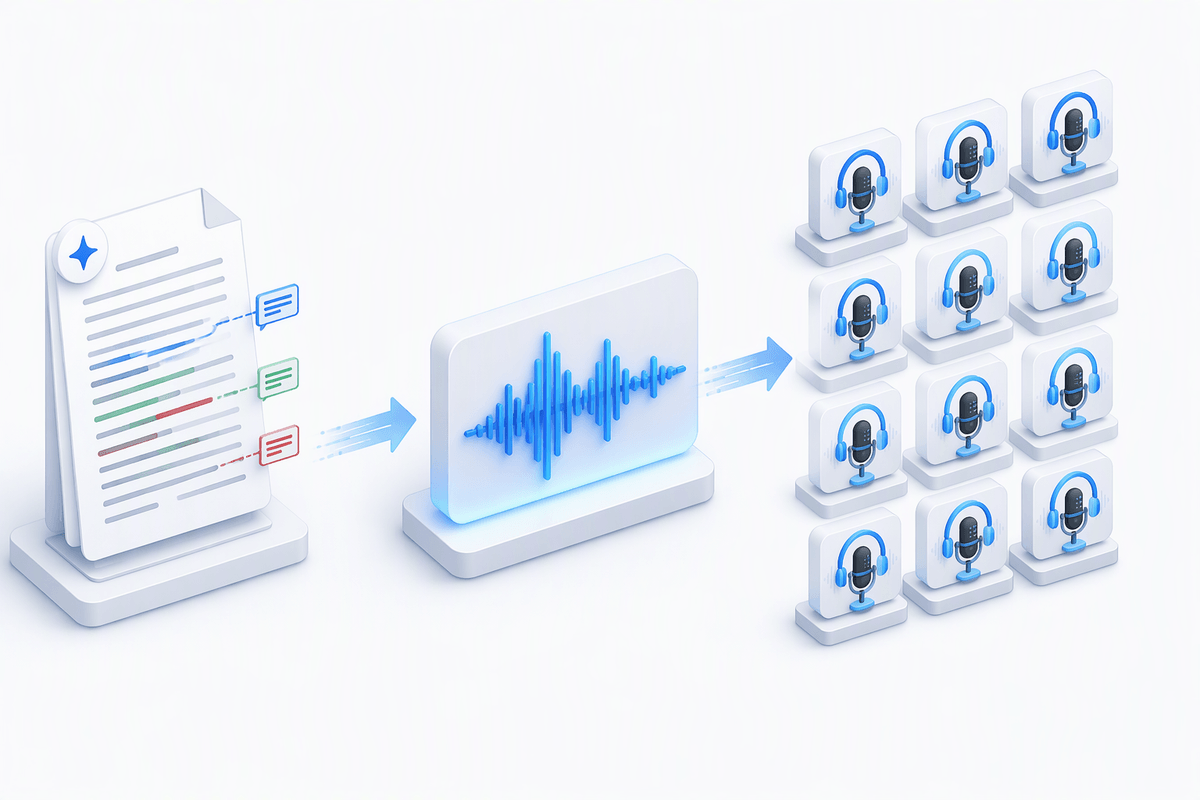
The clearest win for AI voice is turnaround time. If you’re producing a weekly product update, iterating ad variations, or publishing short how-to clips, the bottleneck is rarely “finding the perfect read.” It’s getting something usable recorded, cleaned up, and approved. AI can take a script revision at 9:00 a.m. and give you a fresh take before a 10:00 a.m. meeting, which is hard to match with booked talent, studio time, and scheduling.
Scale is the second advantage. Once you’ve chosen a voice and a basic style, you can keep dozens of episodes or lessons consistent even when multiple people are writing scripts. It also makes A/B testing practical: different hooks, CTAs, or lengths without paying for repeated sessions.
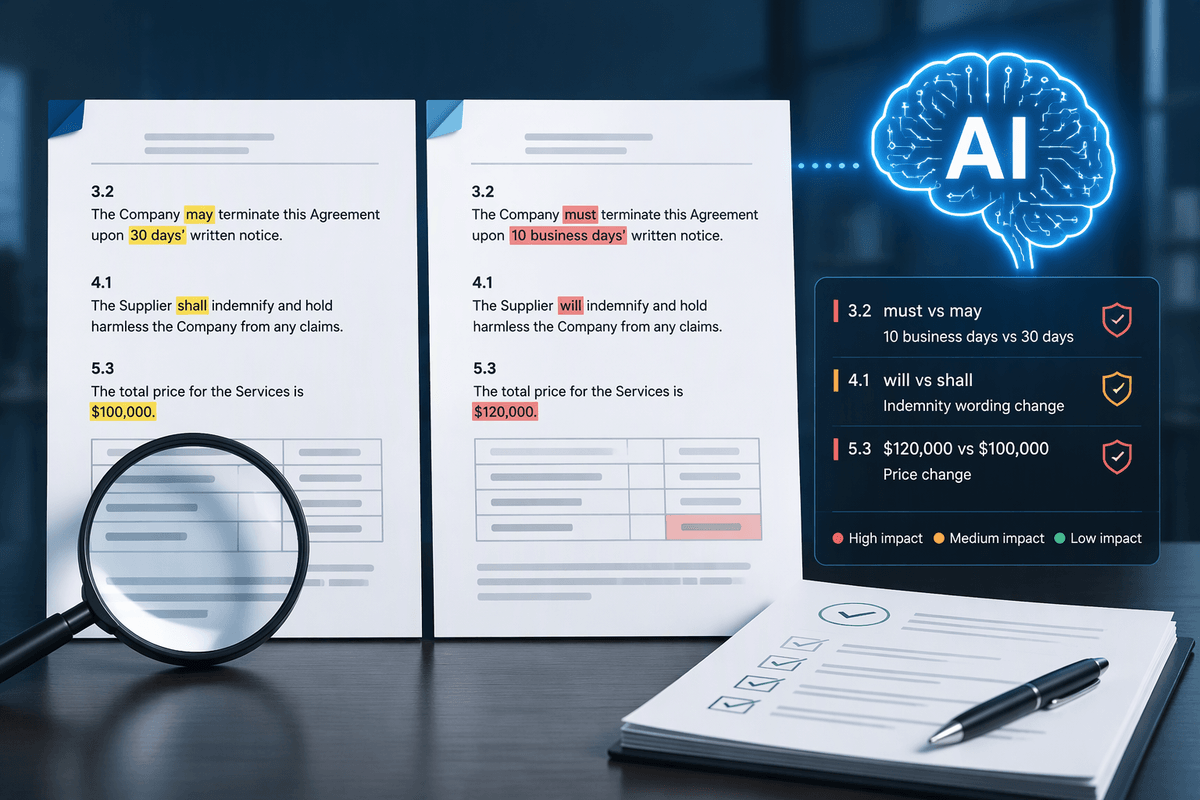
Updates are where the math really changes. When pricing, features, or legal disclaimers shift, you can swap a few lines instead of re-recording an entire piece—though you still need review time for terminology and pronunciation.
Where it falls short: emotion, nuance, and trust
You’ll notice the cracks fastest when the script needs subtext, not just words. AI voices can sound smooth, but they often miss the tiny choices that signal intent: a half-beat pause before a claim, a slight lift on a disclaimer, the softened delivery that makes “this might not work for you” feel honest instead of dismissive. When you try to force that with punctuation and phonetic tweaks, you can get improvements, but it’s still approximation—and it can drift across takes.
Nuance problems show up in real brand situations: sarcasm that lands flat, empathy that reads as generic, or authority that feels overconfident. Even when listeners can’t name what’s wrong, they may sense “manufactured” audio and treat the message as lower stakes. That matters most for ads, founder-led stories, fundraising, sensitive topics, and anything asking for trust or payment. You’ll spend time listening for what a human would naturally solve in one directed session.
The hidden costs: editing time and rework
The surprise cost with AI voice is not the subscription—it’s the cleanup. You still have to listen end-to-end, because the problems are rarely dramatic enough to spot at a glance. A single misread product name, a too-fast disclaimer, an odd emphasis on a pricing claim, or a swallowed transition can force you back into the script to add phonetics, adjust punctuation, or split lines to regain control. That’s time you don’t spend shooting, designing, or distributing.
Rework compounds when your workflow involves multiple approvals. If legal, brand, or the client hears “one weird word,” you may regenerate several versions to satisfy everyone, then re-sync audio to your video cuts and captions. The small script edits can change pacing, which breaks timing, on-screen highlights, and music ducking—so the “quick fix” becomes a mini post-production cycle.
Legal, consent, and brand-risk checkpoints
You can’t treat AI voice as “just another export” if you care about risk. Start with rights: confirm your plan allows commercial use, paid distribution, and use in ads across channels, and check whether output is restricted by seat, project, or client work. If you’re cloning a voice, get written consent that clearly covers where it will run, for how long, and whether it can be used for new scripts later.
Brand risk is usually more immediate than lawsuits. If your audience expects a real host, an AI read can feel like cost-cutting, especially in testimonials, founder messages, or anything involving health, money, or safety. A practical checkpoint is a “could this be misunderstood?” review: add disclosure where appropriate, avoid mimicking identifiable people, and keep a human approval step before publishing—even if the tool is fast.
Choosing a tool and voice that won’t backfire
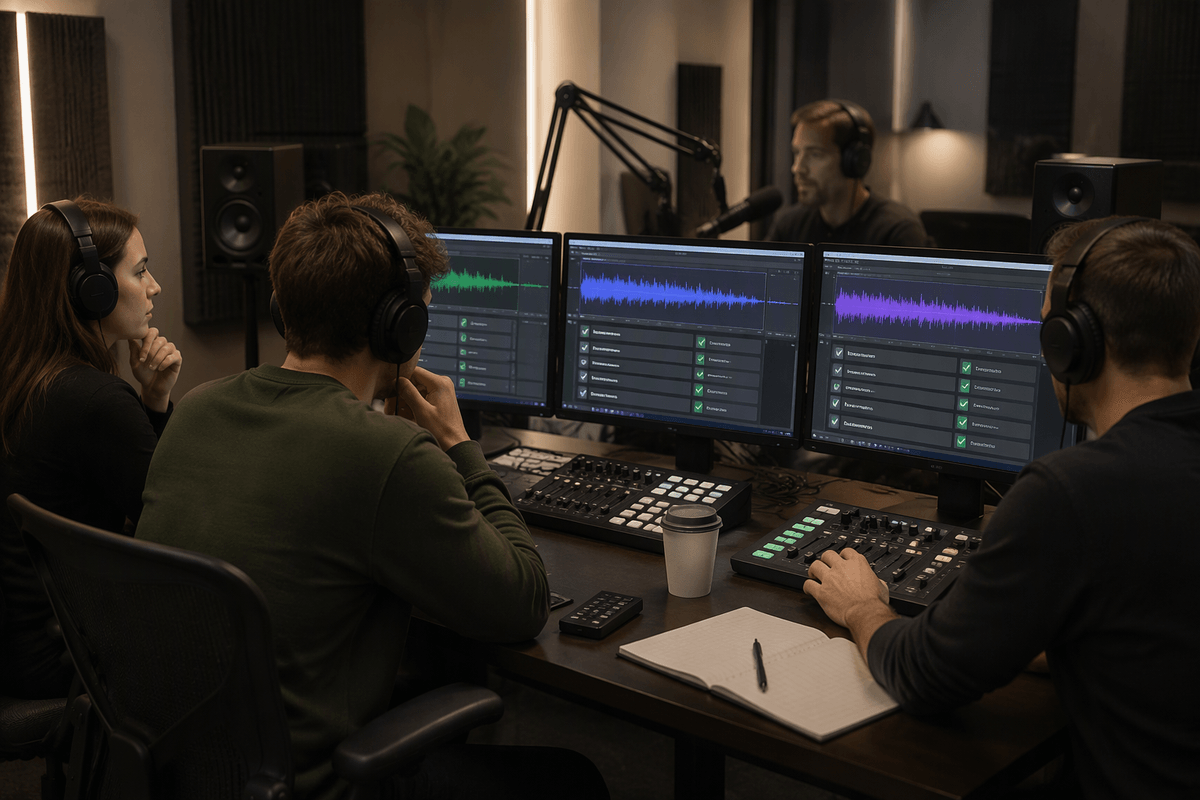
Most teams choose an AI voice tool the way they choose stock music: whatever sounds “good enough” in a preview. That’s where trouble starts, because the real test is consistency under stress—long scripts, weird names, rapid updates, and multiple reviewers. Pick two or three tools and run the same harsh script through each: your product names, competitor names, acronyms, a disclaimer, and a few emotional lines. If you need heavy phonetic spelling, constant re-generations, or manual timing fixes, the tool isn’t saving you time.
Then choose a voice like you’d choose a spokesperson. Avoid voices that sound like a familiar public figure, even if the resemblance is accidental, and don’t chase “most realistic” if it risks uncanny moments. Prioritize intelligibility, steady pacing, and predictable pronunciation over charm. Keep a small voice roster (one primary, one backup) and lock basic settings, because “just one tweak” can create drift across episodes. You’ll spend a few hours building a style guide, test library, and approval checklist.
A practical rule: when to use AI vs humans
Use AI voice when the main value is speed and repeatability: internal explainers, versioned product updates, evergreen how-tos, course lessons with stable tone, and ad testing where you’ll iterate copy anyway. Treat it like a production tool, not a performance. Lock the voice, run a pronunciation checklist, and budget time for one full listen and a timing pass before anything goes live.
Use a human when the voice is the product: sales ads you’ll run at scale, founder narratives, testimonials, sensitive topics, and anything that relies on warmth, restraint, or believable authority. If a single awkward line would cost trust, pay for a directed session and keep AI for drafts and updates.